Quantum computing is steadily moving from research laboratories toward commercial deployment. In a recent Bloomberg interview, Victor Peng, CEO of PsiQuantum, discussed the company’s progress toward building a utility-scale, fault-tolerant quantum computer using silicon photonics. His comments reflect a broader shift across the quantum industry from proving quantum concepts to engineering systems capable of solving real-world problems.
A Different Approach: Photonic Quantum Computing
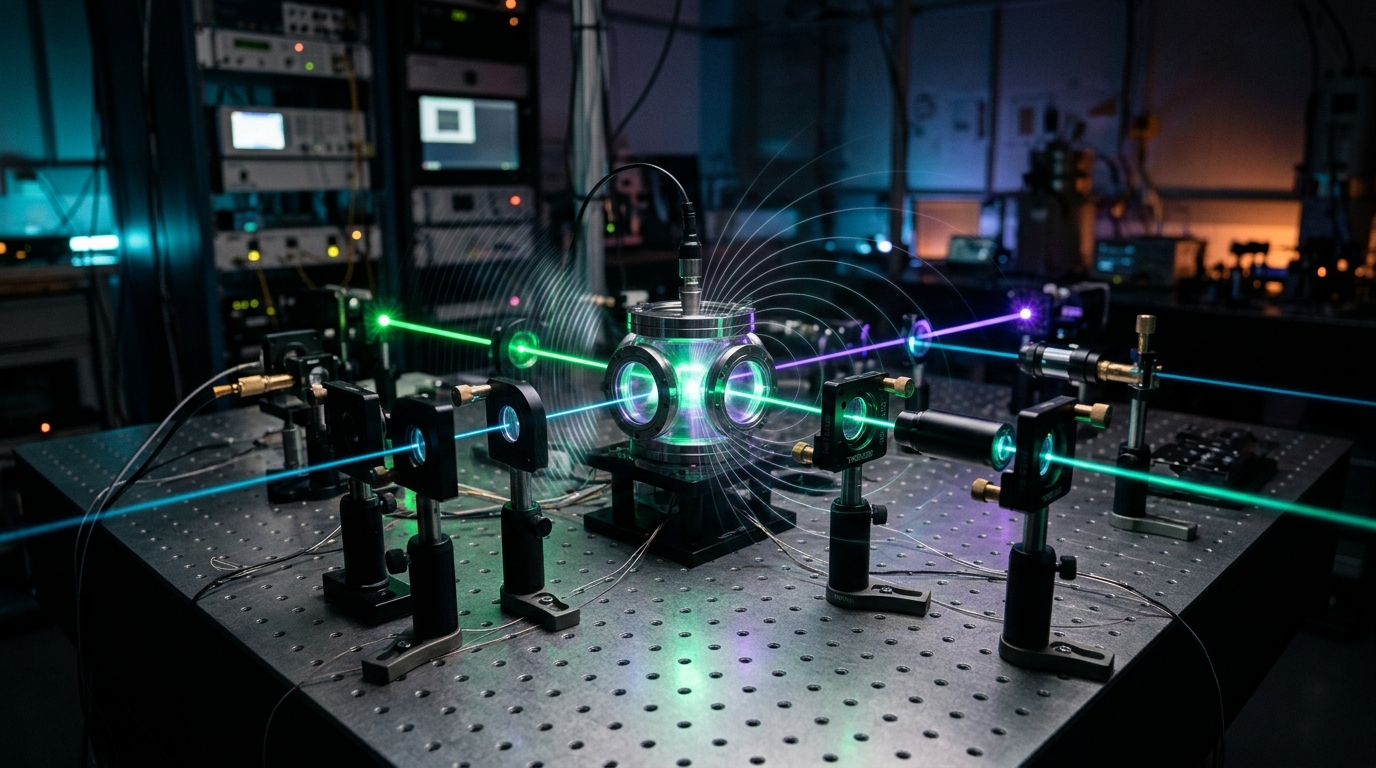
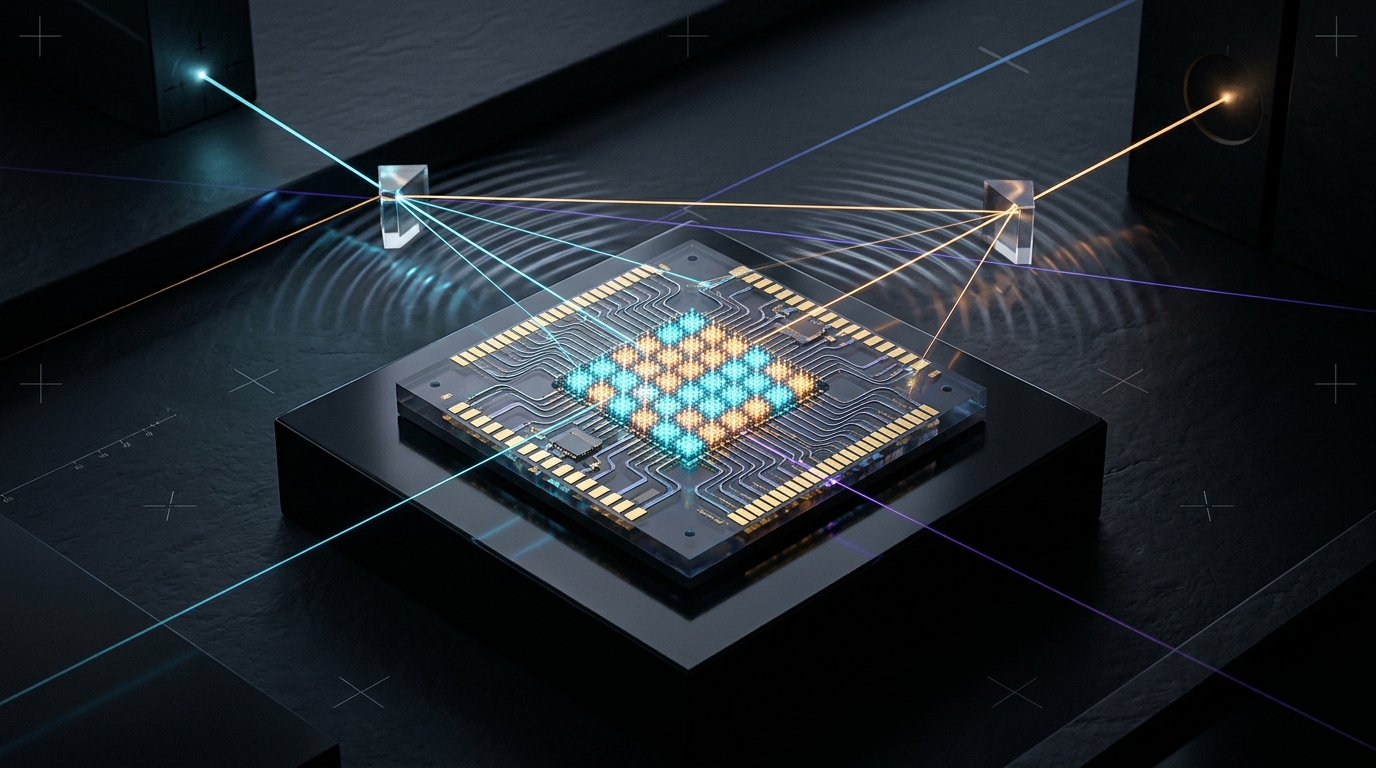
Unlike many quantum hardware companies that rely on superconducting circuits or trapped ions, PsiQuantum has built its architecture around photonic qubits.
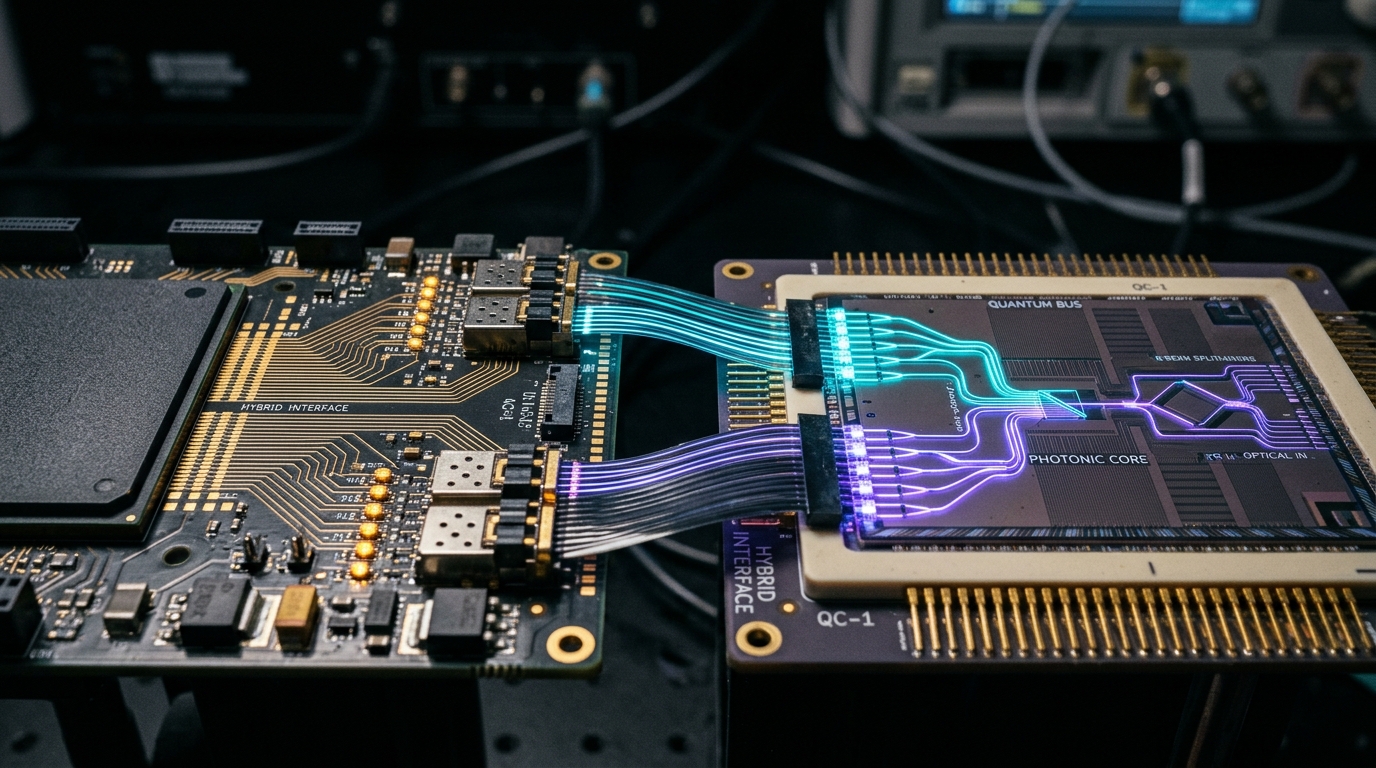
Photons naturally travel through optical fibers, experience minimal environmental interference, and are already supported by decades of investment in the global semiconductor and telecommunications industries. By manufacturing quantum photonic chips using existing semiconductor fabrication processes, PsiQuantum believes it can accelerate the path toward large-scale quantum computers.
Why Fault Tolerance Matters
Today’s quantum computers are still affected by noise and operational errors.
Victor Peng emphasized that useful quantum computing will only become possible when systems achieve fault tolerance the ability to detect and correct errors while computations are running.
According to PsiQuantum, their photonic architecture is designed with scalable error correction in mind, allowing the system to continue operating even when individual photons are lost or errors occur. Achieving this milestone is considered one of the biggest challenges facing the quantum industry.
Leveraging Existing Semiconductor Infrastructure
One of PsiQuantum’s strongest advantages is its decision to manufacture chips using established semiconductor fabrication facilities instead of building entirely new manufacturing ecosystems.
This strategy offers several potential benefits:
- Mature manufacturing processes
- Higher production scalability
- Access to advanced semiconductor technologies
- Faster commercialization
- Lower long-term manufacturing costs
Rather than reinventing fabrication, the company is leveraging decades of investment made by the semiconductor industry.
The Industry Is Entering a New Phase
The conversation around quantum computing has evolved significantly over the past few years.
Previously, companies focused on demonstrating small numbers of qubits and experimental breakthroughs. Today, leading organizations are discussing manufacturing, scalability, software ecosystems, and practical business applications.
Recent statements from IBM, Google, IonQ, and PsiQuantum all point toward increasing confidence that commercially useful quantum systems are becoming achievable within the next several years, although significant engineering challenges remain.
What This Means for Businesses
As quantum hardware matures, industries such as pharmaceuticals, finance, cybersecurity, logistics, energy, and materials science could benefit from dramatically improved computational capabilities.
Potential applications include:
- Drug discovery and molecular simulation
- Financial portfolio optimization
- Cryptography and cybersecurity
- Supply chain optimization
- Materials engineering
- Artificial intelligence acceleration
Organizations that begin preparing for quantum technologies today will be better positioned to adopt future quantum-enabled solutions.
Final Thoughts
Victor Peng’s Bloomberg interview highlights how the quantum industry is transitioning from scientific experimentation to engineering execution.
Whether photonic quantum computing ultimately becomes the dominant architecture remains to be seen, but PsiQuantum’s progress demonstrates that the race toward utility-scale quantum computing is accelerating.
For businesses, researchers, and technology leaders, the message is clear: quantum computing is no longer a distant concept—it is becoming an increasingly important technology to watch over the coming decade.