A Major Step Toward Hybrid Quantum-AI Computing
Quantum computing is moving another step closer to enterprise infrastructure.
Oracle and Quantinuum have announced a multi-year strategic partnership aimed at bringing Quantinuum’s quantum computing capabilities directly into Oracle Cloud Infrastructure (OCI). The collaboration is designed to give enterprise customers access to quantum computing alongside traditional high-performance computing (HPC) and GPU infrastructure.
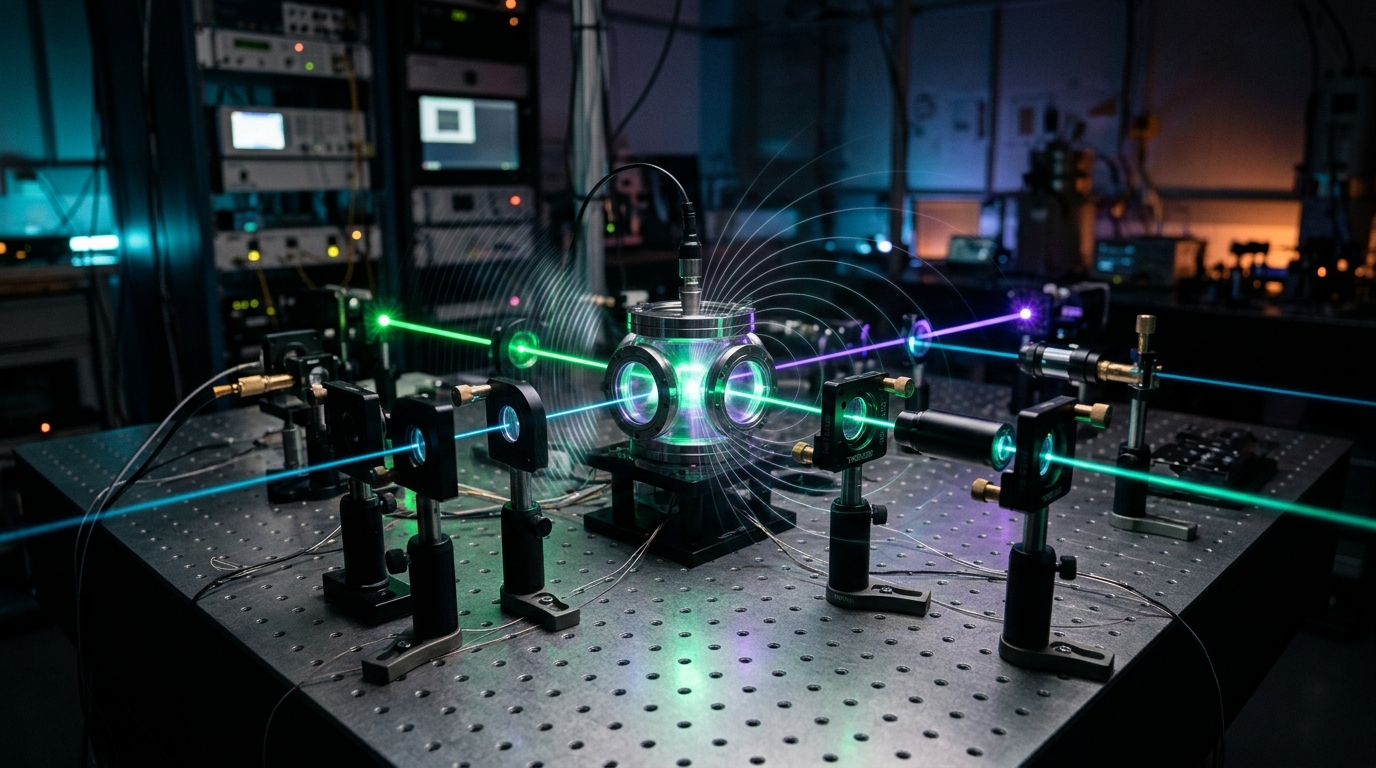
At the center of the partnership is Quantinuum’s Helios quantum computer, which customers will be able to access through Oracle’s planned quantum service. This development represents an important shift in how quantum computing could be adopted by businesses: instead of treating quantum computers as isolated experimental systems, organizations could increasingly use them as part of broader cloud-based computing environments.
What Oracle and Quantinuum Are Building
Under the partnership, Quantinuum plans to deploy its Helios system within an Oracle Cloud Infrastructure data center. Oracle customers will be able to access quantum computing resources through OCI while combining them with existing classical computing resources such as CPUs, GPUs and HPC systems.
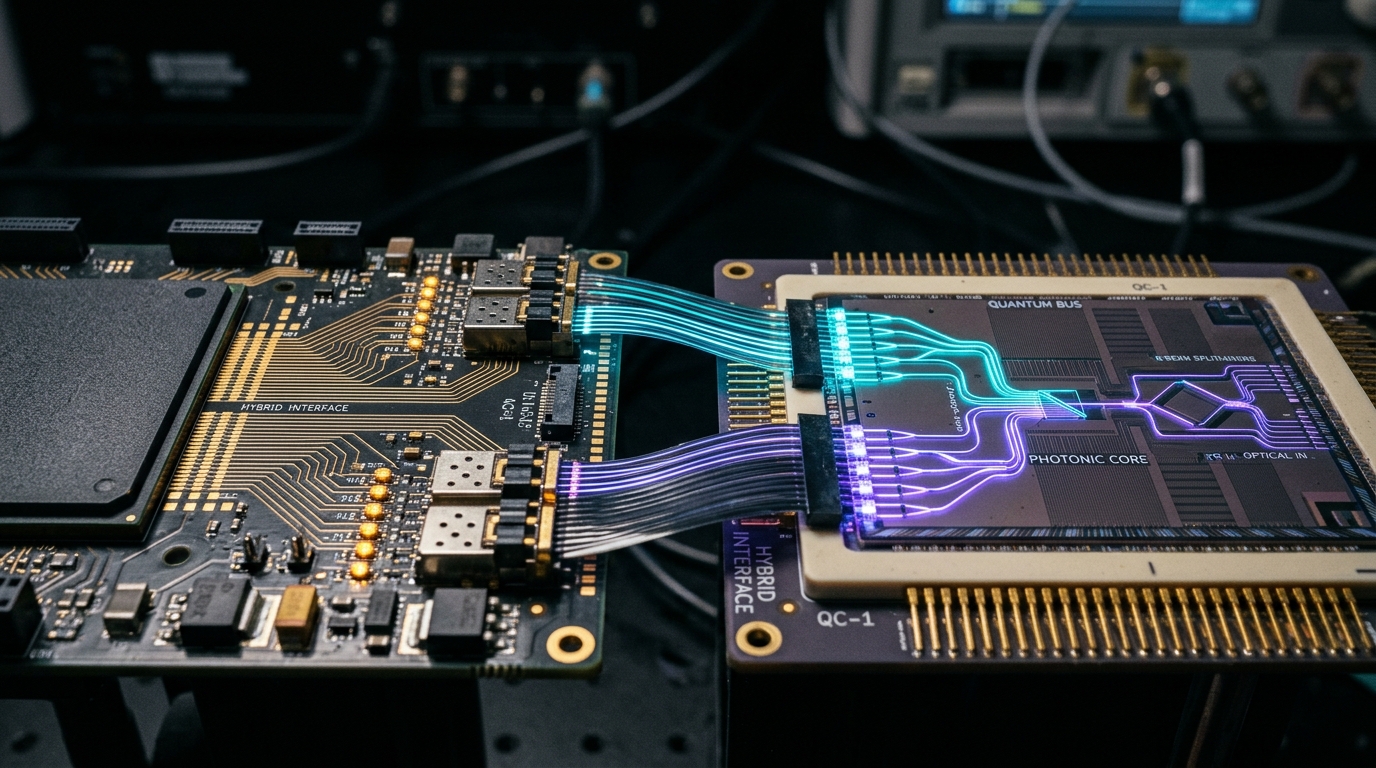
This approach is particularly important because quantum computers are not expected to replace classical computers. Instead, the future of computing is increasingly expected to involve hybrid architectures, where classical and quantum systems work together.
Why Helios on OCI Matters
Quantinuum’s Helios system is designed to provide high-performance quantum computing capabilities, while OCI provides the cloud infrastructure required to integrate those capabilities into enterprise workflows. The partnership could eliminate some of the barriers organizations face when experimenting with quantum computing.
Companies would not necessarily need to purchase and operate dedicated quantum hardware or build specialized facilities. Instead, they could potentially access quantum resources through their existing cloud infrastructure. This is particularly significant for enterprises that already rely heavily on cloud-based HPC and AI workloads.
Today’s enterprise workloads are increasingly distributed across several types of computing resources:
- CPUs for general-purpose workloads
- GPUs for AI and accelerated computing
- HPC systems for large-scale simulations
- Quantum processors for specialized computational problems
The next generation of computing infrastructure could bring these technologies together.
For example, a pharmaceutical company could potentially use classical HPC systems for molecular simulations, AI models for prediction and screening, and quantum processors for specific optimization or chemistry-related problems.
A New Model for Quantum-as-a-Service
The announcement also highlights the growing importance of Quantum-as-a-Service (QaaS). Instead of organizations owning quantum hardware, cloud providers can provide access to quantum systems through managed infrastructure.
This model can significantly lower the entry barrier for companies that want to experiment with quantum computing. Developers and researchers could focus on:
- Quantum algorithms
- Hybrid applications
- Optimization problems
- Quantum machine learning
- Scientific simulations
without necessarily having to manage the underlying quantum hardware. This could accelerate experimentation and help more enterprises develop practical quantum applications.
Energy Efficiency Could Become Another Advantage
The partnership also highlights an interesting aspect of quantum computing: energy consumption. According to the announcement, a Helios system has an estimated power draw of less than one percent of the power draw reported for leading supercomputers.
However, this should not be interpreted as meaning quantum computers will simply replace today’s supercomputers. Quantum processors are specialized machines, and the overall energy consumption of a quantum computing system also depends on its supporting infrastructure and workload. The more realistic opportunity is that quantum processors could become energy-efficient complementary accelerators for specific workloads.
Our Perspective
The Oracle–Quantinuum partnership is an important signal for the quantum industry. The next stage of quantum computing will not be determined only by qubit counts or laboratory demonstrations. Infrastructure, integration and accessibility will be equally important.
Quantum computers need to become part of the broader computing ecosystem. The convergence of Quantum + AI + HPC + Cloud could ultimately be more important than quantum computing operating as a standalone technology.
For startups and technology companies working in quantum computing, this also creates a new opportunity: building the software, networking, orchestration, security and hardware layers that connect quantum processors with conventional infrastructure.
At the same time, enterprises should approach quantum adoption strategically. Not every workload will benefit from quantum computing, and meaningful quantum advantage will depend on algorithms, hardware quality, error correction and real-world economics. The important development is that the infrastructure needed to experiment with these possibilities is beginning to emerge.
Source: Oracle, Quantinuum Bring Quantum Computing Into the Enterprise Cloud - The Fast Mode.
Additional Reference: Reuters reporting on the Oracle–Quantinuum partnership.