NVIDIA’s Quantum Strategy Takes a Different Path
Quantum computing is often presented as a race to build more qubits, better quantum processors and eventually fault-tolerant machines.
But NVIDIA is approaching the opportunity from a different direction.
Rather than developing its own quantum processing unit (QPU), NVIDIA is focusing on the classical computing infrastructure surrounding quantum hardware including GPUs, software, simulation, AI, networking, control and quantum error correction.
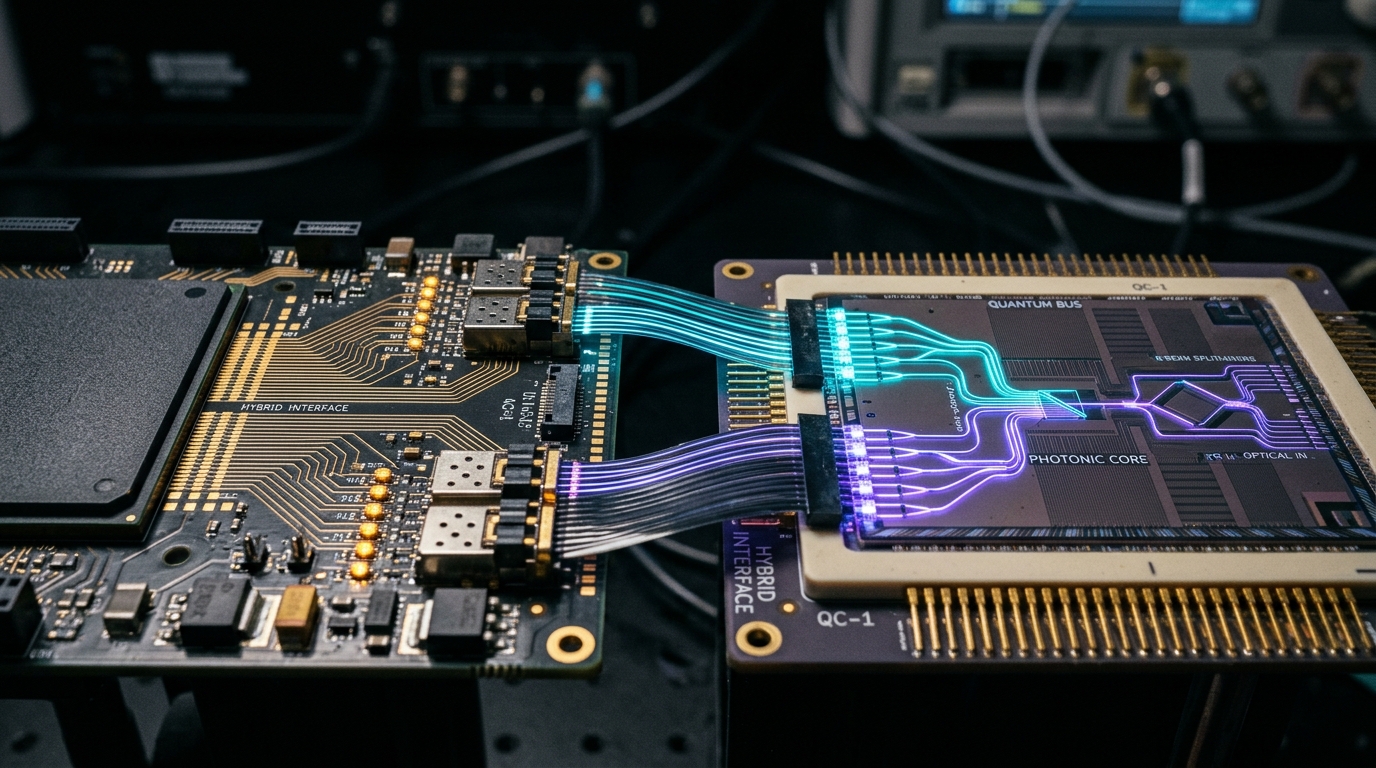
That strategy could become increasingly important as the industry moves toward hybrid quantum-classical computing, where quantum processors and classical supercomputers work together rather than operating independently. According to a recent EE Times report, NVIDIA sees classical accelerated computing as a critical layer in the development of useful quantum computers.
Why Quantum Computers Still Need Classical Computers
A quantum computer is not a standalone replacement for a conventional computer.
Today’s quantum processors are extremely sensitive to noise and errors. Classical computing systems are required to perform many of the tasks surrounding the quantum processor, including:
- Controlling quantum hardware
- Processing measurement results
- Running quantum simulations
- Performing error decoding
- Optimizing quantum circuits
- Managing workloads
This creates an important relationship between the two technologies.
Instead of thinking about classical computing vs. quantum computing, the emerging architecture may be better understood as:
CPU + GPU + QPU + High-Speed Interconnect + AI + Software
*NVIDIA is positioning itself heavily within this ecosystem. *
As Sam Stanwyck, NVIDIA’s director of quantum products, explained to EE Times, quantum computers are expected to work in concert with AI supercomputers rather than operate alone.
CUDA-Q: Building a Software Bridge to Quantum Computing
One of NVIDIA’s most important pieces of the strategy is CUDA-Q.
The platform provides a programming model designed to combine classical and quantum computing. It allows developers to create applications containing quantum workloads while using NVIDIA’s accelerated computing infrastructure. This is particularly important because the quantum computing industry remains highly fragmented.
Different quantum hardware platforms use different technologies, architectures and programming approaches. For developers, this can create a significant barrier to experimentation and deployment.
CUDA-Q is intended to provide a more consistent programming environment across quantum processors and simulators.
NVIDIA’s approach resembles the strategy it used with CUDA for GPUs.
CUDA helped developers access GPU acceleration without having to understand every detail of the underlying hardware. NVIDIA now appears to be pursuing a similar software-layer strategy for quantum computing.
GPUs Can Help Solve One of Quantum Computing’s Biggest Problems
One of the biggest challenges facing quantum computing is not simply the number of qubits. It is error.
Quantum states are extremely fragile, and errors can accumulate during computation. Building fault-tolerant quantum computers therefore requires sophisticated error-correction techniques and enormous amounts of classical computation.
This is another area where NVIDIA sees an opportunity for GPUs. The company has been working on GPU-accelerated quantum error decoding and AI-based approaches for quantum hardware calibration. NVIDIA has also introduced Ising, an open-source family of AI models aimed at quantum calibration and error correction.
Our Perspective
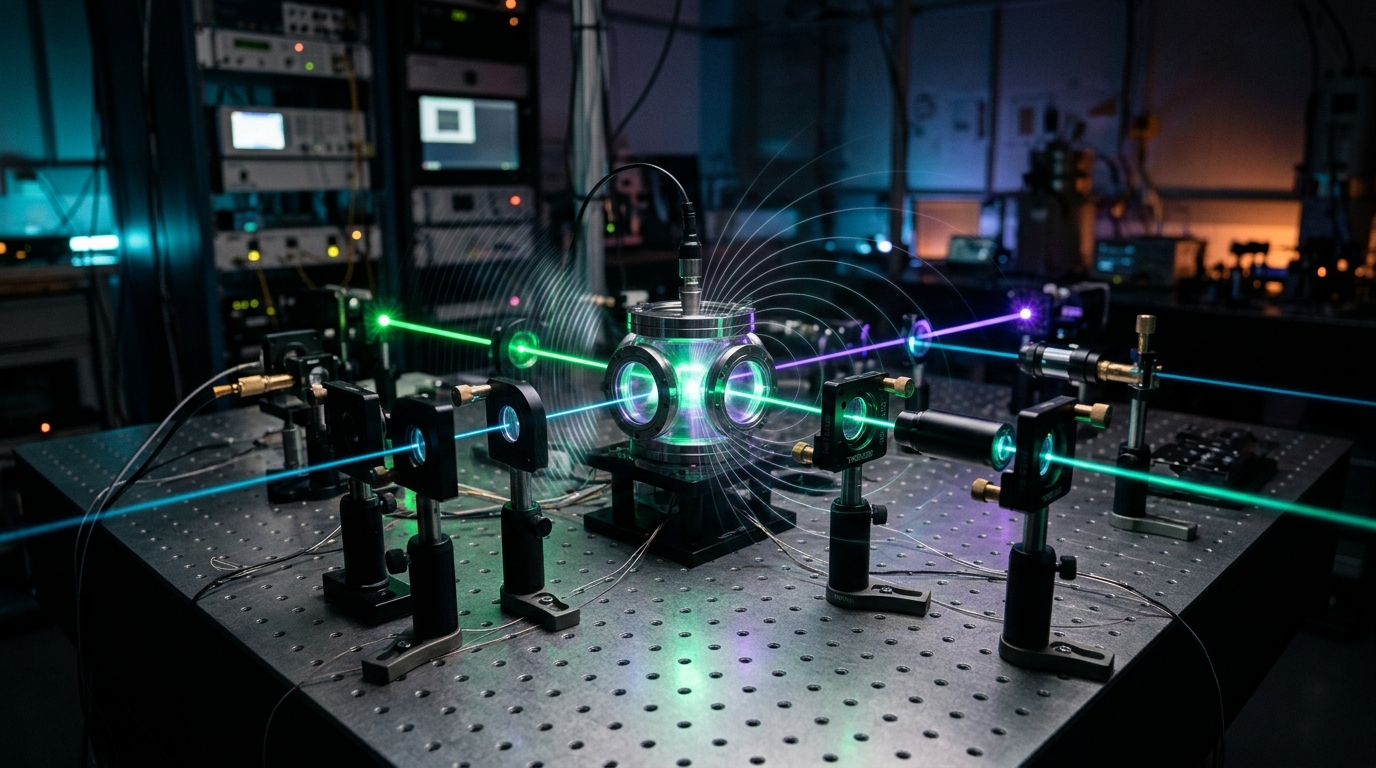
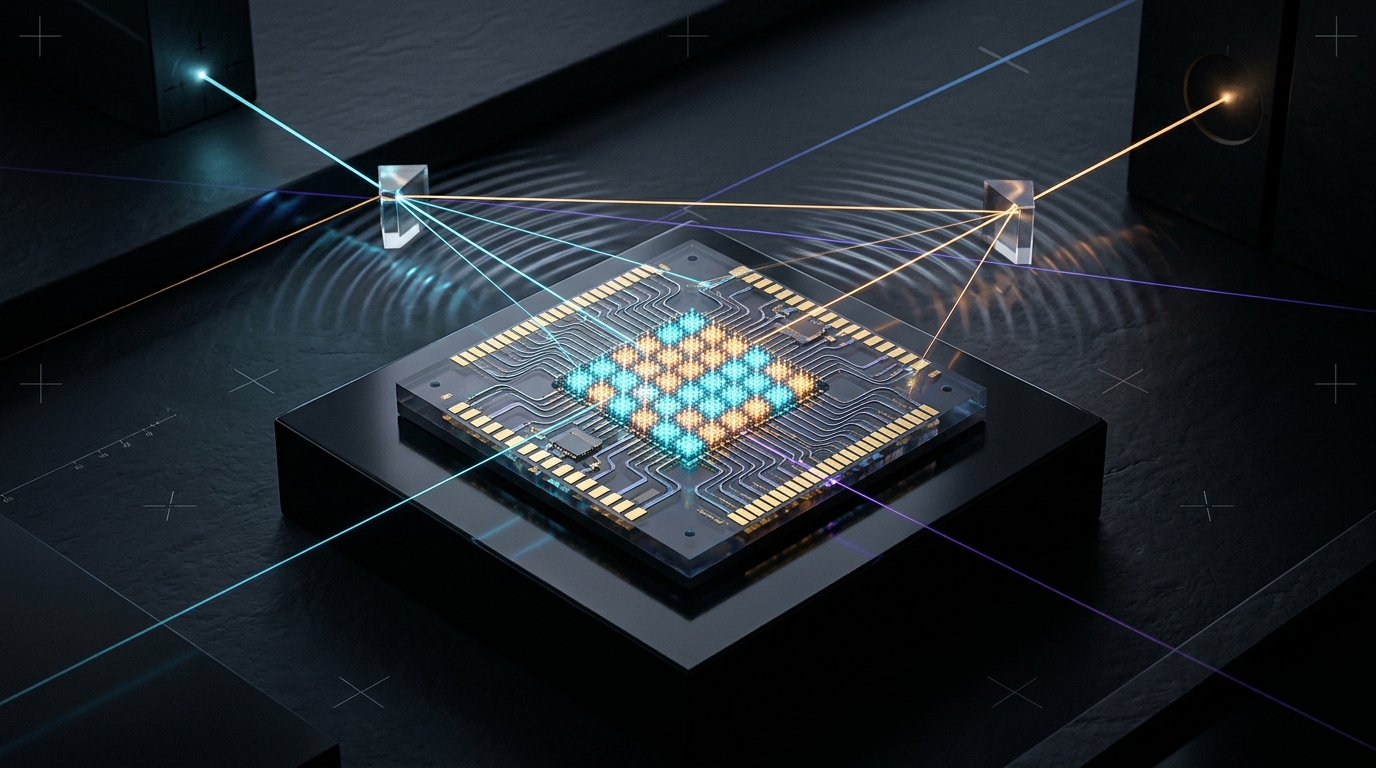
The NVIDIA strategy is a strong reminder that quantum computing will not emerge in isolation. The transition toward useful quantum computing will likely require an entire technology stack from quantum hardware and photonics to classical processors, AI, networking, control electronics and software.
For companies developing next-generation quantum hardware, this also creates an interesting opportunity.
The winning architecture may not necessarily be the one that simply produces the most physical qubits. It may be the one that delivers the best combination of scalability, fidelity, connectivity, control, error correction and integration with classical computing infrastructure.
The Bigger Picture
Quantum computing is still developing, and the timeline toward large-scale fault-tolerant systems remains uncertain.
But NVIDIA’s investment in quantum software, GPU-accelerated simulation, AI-based calibration, error correction and low-latency quantum-classical connectivity demonstrates that the company is preparing for a future where quantum processors become part of the broader computing infrastructure.
Source
This article is based on reporting by EE Times: NVIDIA Bets on the Classical Side of Quantum Computing EE Times
Original article: Pablo Valerio, EE Times, August 17, 2026.