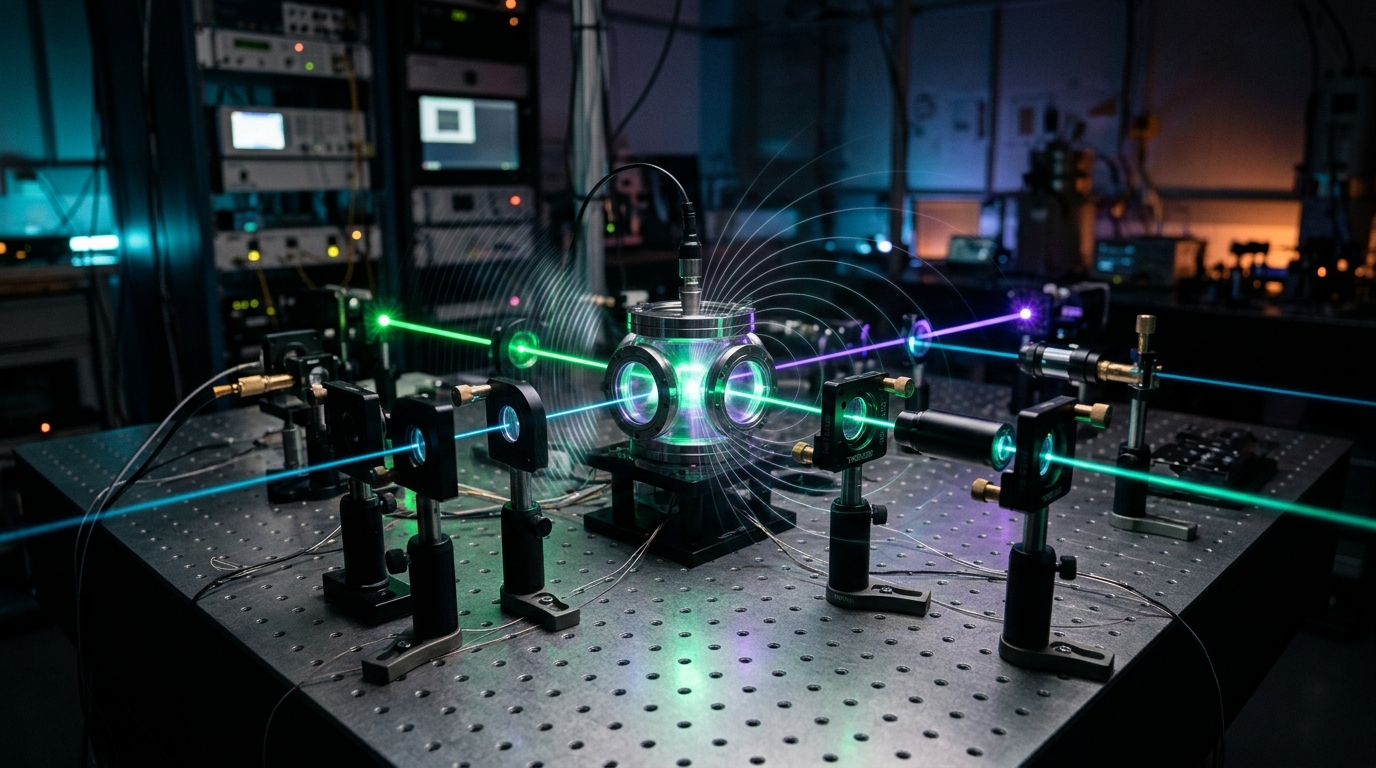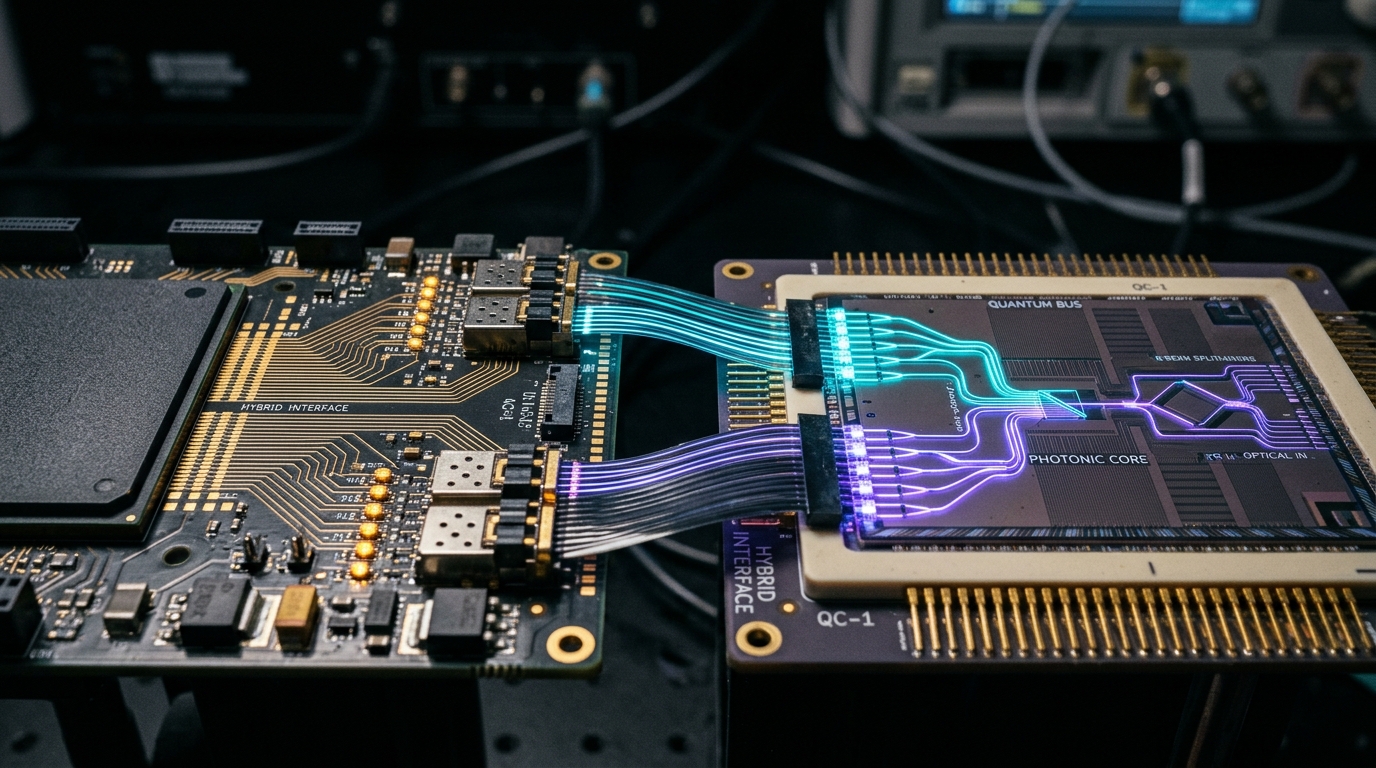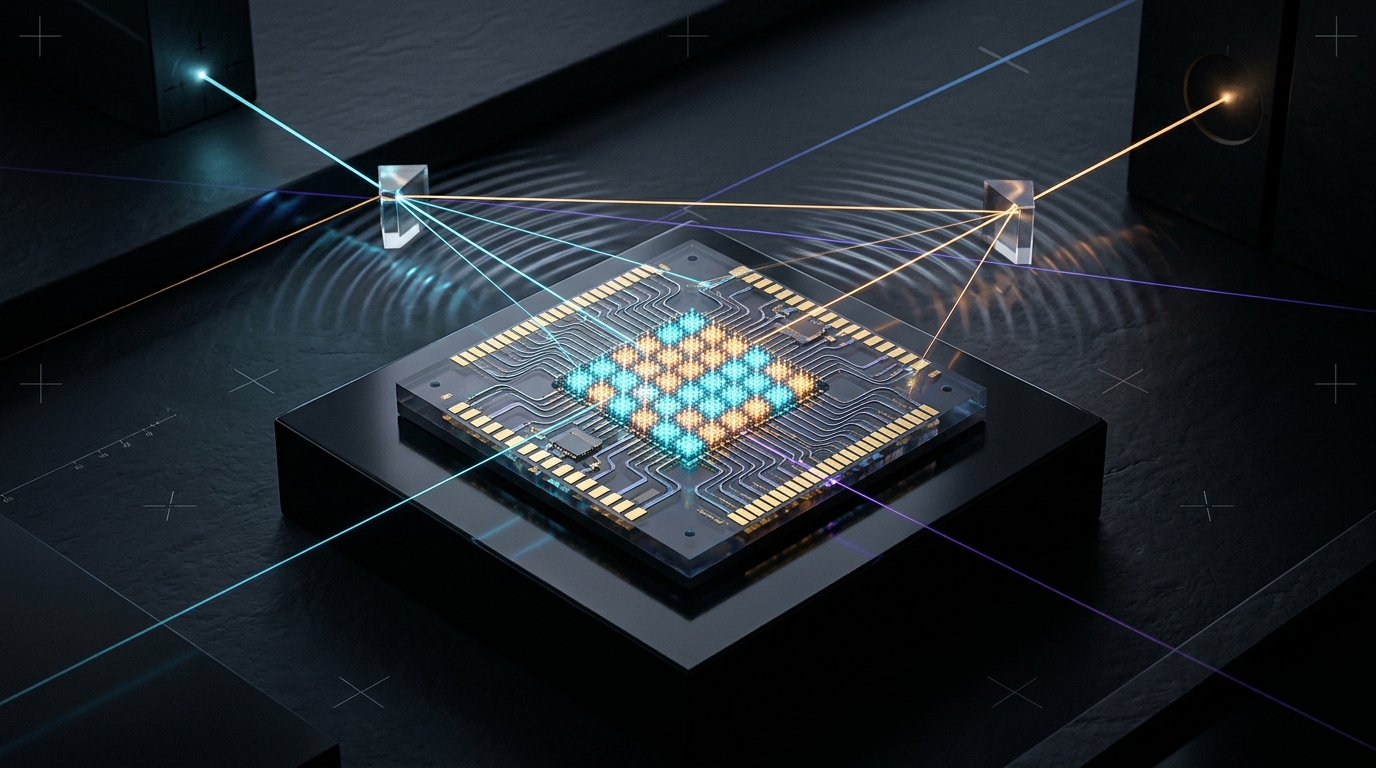
Artificial intelligence is becoming increasingly capable of reasoning, planning and taking action. At the same time, quantum technology is developing new ways to process information, simulate complex systems and sense physical phenomena. Now, these two technologies are beginning to move toward each other.
A recent Forbes Technology Council article, “11 Emerging Capabilities At The Intersection Of Agentic AI And Quantum Technology,” explores how combining autonomous AI systems with quantum computing and quantum sensing could create capabilities that neither technology can provide as effectively on its own.
This convergence could become one of the important technology directions to watch over the coming years.
What Is Agentic AI?
Traditional AI generally responds to a prompt or performs a specific task. Agentic AI takes this further. An AI agent can be designed to understand an objective, plan a sequence of actions, use available tools, evaluate results and adjust its approach.
For example, instead of simply answering a question about a supply chain, an agent could continuously monitor changing conditions, identify a problem, evaluate possible solutions and recommend or execute an appropriate action within predefined controls.
The key idea is moving from AI that responds toward AI that can reason, plan and act.
Where Does Quantum Computing Fit?
Quantum computing approaches computation differently from classical computing. Quantum processors use quantum mechanical effects to represent and manipulate information. For certain classes of problems, this could eventually provide new ways to explore complex computational spaces. Potential applications include:
- Optimization
- Molecular simulation
- Materials discovery
- Financial modelling
- Complex scientific simulations
- Machine learning research
- Cryptography and security
- Advanced sensing
However, quantum computers are not intended to replace classical computers for every task. The more realistic future is likely to involve hybrid computing, where classical processors, GPUs, AI systems and quantum processors work together.
What Happens When Agentic AI Meets Quantum Technology?
This is where the idea becomes particularly interesting. Agentic AI can provide the reasoning, planning and decision-making layer. Quantum computing can potentially provide a new computational** **resource for specific difficult problems. Quantum sensors can provide highly sensitive information about the physical world. Together, they could form a continuous loop:
Observe → Understand → Compute → Decide → Act → Learn
An AI agent could determine what problem needs to be solved, select the appropriate computational resources, use a quantum processor or quantum sensor when useful, interpret the results and determine what should happen next. This creates a fundamentally different model of intelligent computing.
Why This Matters for the Future
The convergence of AI and quantum technology should not be viewed as a race to replace classical computing. It is better understood as the development of hybrid intelligent systems. AI brings reasoning, planning and autonomy.
Classical computing provides scalable general-purpose computation. GPUs provide massive parallel processing for AI and scientific workloads. Quantum processors may provide new computational approaches for selected problems. Quantum sensors provide new ways to observe the physical world. The opportunity lies in connecting these capabilities effectively.
The Road Ahead
There is still significant work to be done. Quantum hardware needs to become more reliable and scalable. Quantum algorithms need to demonstrate practical advantages for relevant workloads. Agentic AI systems need strong reliability, security and governance. Integrating these technologies also requires new software architectures and infrastructure.
Therefore, the convergence of agentic AI and quantum technology should be viewed as an emerging direction rather than a finished technology.
At OJANVU, we see this convergence as part of the broader evolution toward next-generation computational systems where quantum technologies are not isolated machines, but components of intelligent computing architectures designed to solve increasingly complex problems. The next generation of computing may not be defined by one technology. It may be defined by how intelligently different technologies work together.
Source
Forbes Technology Council, “11 Emerging Capabilities At The Intersection Of Agentic AI And Quantum Technology,” published September 21, 2026.